
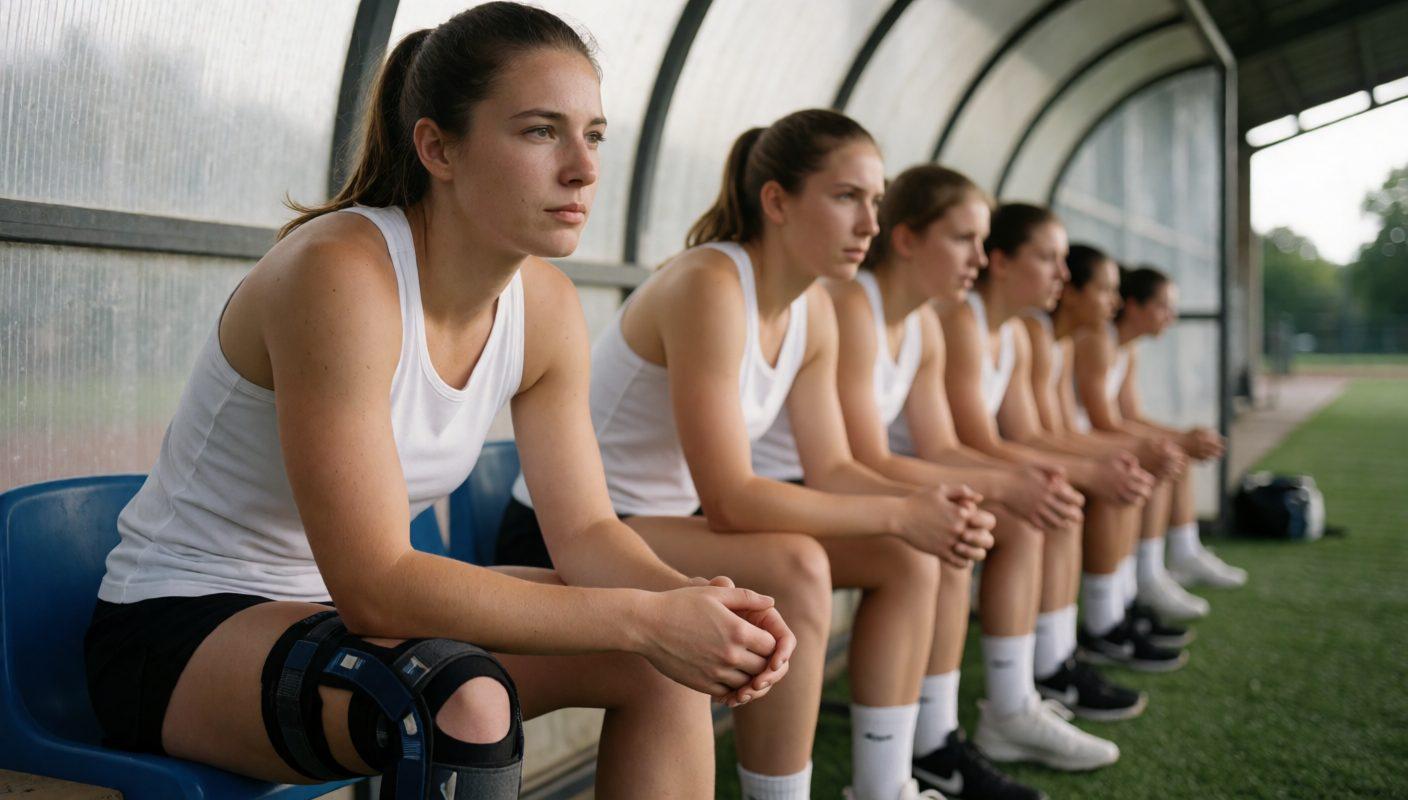
Yes, there is an emotional side to sports injuries, and it is very common. Athletes often feel frustrated, sad, worried or left out when they are hurt. Understanding these feelings can make recovery smoother and help you return to play with more confidence.
Why an injury feels so heavy
For many athletes, sport is more than exercise. It is a routine, a source of friends and a big piece of identity. When an injury takes it away, the loss can feel bigger than the pain itself.
Feeling frustrated, angry or down is normal. So is feeling restless, tearful or unmotivated. These reactions do not mean you are weak, and they often ease as healing moves forward. They mean the activity mattered to you.
Frustration and impatience
Healing takes time, and it rarely moves in a straight line. Some days feel good, and then a setback shows up. That can be discouraging. Remind yourself that a slow week does not erase the progress you have already made.
Try to set small goals you can control, like finishing your rehab exercises, getting enough sleep or improving a range of motion measurement. Checking off small wins can make the process feel less like waiting and more like progress.
It also helps to keep other parts of your life moving. Read, learn something new, or work on the parts of your game that your injury still allows, like upper body strength during a leg recovery, if your doctor says it is safe.
Worry about getting hurt again
Fear of re-injury is one of the most common concerns after a serious injury, especially a knee or shoulder. You may hesitate on a cut, protect the joint without realizing it, or feel tense on the field.
A bit of caution is natural. Lasting fear, though, can hold back performance. Talk openly with your doctor and rehab team about what you are afraid of. Hearing why your body is ready, and building strength step by step, can ease those worries.
Staying connected to the team
Isolation makes everything harder. Many injured athletes pull away because it hurts to watch from the sideline. But staying involved can help you feel less alone.
- Go to practices and games when you can.
- Help with drills, stats, video review or encouraging teammates.
- Keep in touch with friends by text or calls.
- Ask your coach for a role that fits your recovery.
- Spend time with family and others outside of sports.
Rebuilding confidence to return
Being cleared to play is not the same as feeling ready. Confidence usually returns in stages. Controlled drills come first, then practice, then full games.
Follow your doctor's return-to-play plan and do not skip steps. It can help to picture yourself moving well, to keep a log of gains in strength and motion, and to celebrate each milestone. Trust grows as the body proves itself.
Some athletes find it helps to talk with a coach, a trusted teammate or a sports psychologist about nerves before a first game back. Sharing the worry out loud often makes it smaller. Remember that a careful, gradual return is not a sign of weakness. It is part of how strong athletes protect their long term careers.
When to talk to someone
Sadness that lasts, loss of interest in things you used to enjoy, changes in sleep or appetite, withdrawing from friends, or feeling hopeless are signs to reach out. Please talk with a mental health professional, such as a counselor or therapist, if low mood lasts for more than a couple of weeks or gets in the way of daily life. Your primary doctor can also help point you in the right direction. Asking for help is a sign of strength, the same as asking a doctor about a sore knee.
If you ever have thoughts of harming yourself, call or text 988, the Suicide and Crisis Lifeline, or call 911.
When to see an orthopedic doctor
Call 911 or go to the ER for a serious injury, a limb that looks out of place, uncontrolled bleeding, or any thoughts of self-harm. See an orthopedic or sports medicine doctor if pain, swelling or weakness is not improving, or if you feel unsure about when it is safe to go back. Able Orthopedic & Sports Medicine in Forest Hills cares for the whole recovery, from the first exam to a safe return to play. Call (718) 897-2228 or book an appointment.
Common questions
Is it normal to feel depressed after a sports injury?
Feeling down is common. If sadness lasts more than a couple of weeks or affects daily life, talk to a mental health professional.
How do I stop worrying about re-injury?
Build strength gradually, follow your return plan and talk openly with your care team. Confidence tends to grow with each step.
Should I attend practice while injured?
If your doctor allows it, yes. Staying connected can help your mood and keep you part of the team.
Who can help with the emotional side?
A counselor, therapist or your primary doctor can help. Your sports medicine team can also talk through your concerns.
This article is for general education and is not a substitute for a visit with a doctor. If you think you have a medical emergency, call 911.